
Building trust and improving access
Despite growing visibility of LGBTQ+ issues in recent years, significant inequalities remain across cancer prevention, diagnosis and treatment.
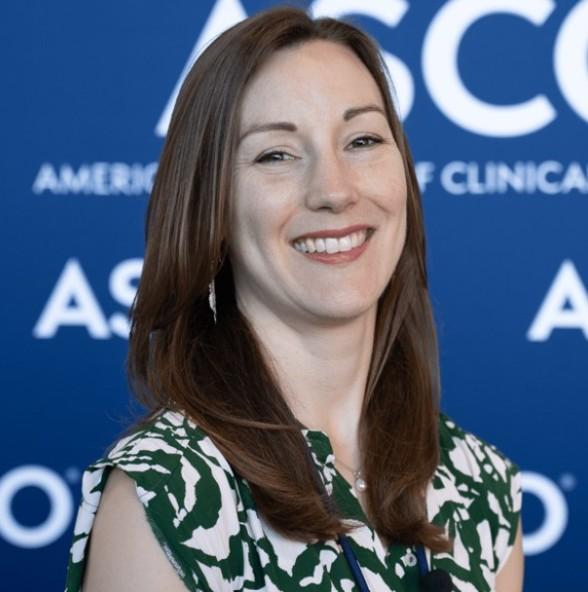
“There’s still a huge challenge to LGBTQ+ people being out in healthcare,” said Alison Berner. “There is a lot of medical mistrust, and people don’t come forward to their physicians. We also don’t routinely record sexual orientation or gender identity in healthcare data, so it’s difficult even to understand the full scale of the inequality.”
These barriers have real consequences. When people delay engaging with healthcare, they miss vital opportunities for prevention, screening and early diagnosis.
“Looking at national data, there is a lot of work that needs to be done in prevention and screening,” said Shereen Nabhani-Gebara. “When we fail, people present later, when their disease is more advanced.”
Addressing these challenges requires action across the cancer community, from healthcare providers and researchers to industry and policymakers. Central to that effort is building trust. And central to that, says Shereen, is
training the workforce so that when they come into contact with diverse patients, they can address their needs and listen to their concerns. “Trust has been fractured historically and there is a lot of work to be done,” she said. “Participants are putting their lives into something experimental. Trust is fundamental.”
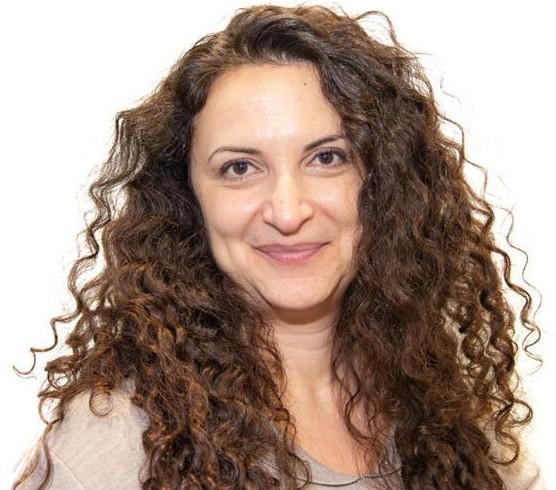
While the scale of the challenge can feel daunting, meaningful change often starts close to home. “Recruiting from local areas is a great place to start,” said Alison. “You can learn by absorption, curiosity and friendship.”
That approach has shaped Alison’s own work, including the community networks she has built around her research and clinical practice. At UCATS, building these bridges with trans patients and advocates has not only increased trust, but opened dialogues about how policy and study design can be shaped to improve their care. Now, trans patients are participating in more dialogues, for example through UCATS’ Clinical Advisory Board, and their wealth of knowledge and experiences is enhancing the quality and inclusivity of the Service’s work.
“You want my Community Advisory Board to finesse your grant proposal,” she said. “That investment in people, staff and care has really paid off.”
Visibility, privilege and leadership
The same inequalities that affect patients can also shape the experiences of LGBTQ+ people working in academia, healthcare and industry. But those experiences are far from uniform.
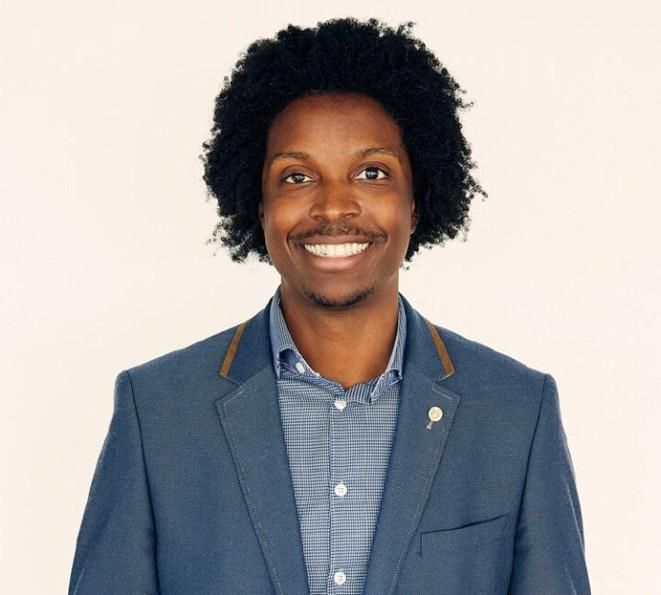
“We all have privilege in different contexts,” said Jason Mellad. “Within our group there are people who are more impacted than others. Often it’s coming from inside the house. Within the community we need to recognise power and privilege and make sure everybody is lifted up.”
The panellists spoke candidly about the different ways their identities have shaped their professional journeys, and how they’ve learned to turn those experiences into strengths.
“I’m grateful that I grew up gay in the Deep South and that I was the first-generation child of immigrants,” said Jason. “I think you grow through what you go through. Our queer brains serve us every day. We spend so much time thinking about how we’ve been disadvantaged, but let’s think about how it’s empowered us too.”
Alison shared how being perceived as straight has sometimes given her access to conversations and spaces that might not have been accessible otherwise.
“My straight-passing privilege gets me into certain rooms and then I can queer it up, which is quite a superpower,” she said.
She’s used that position to advocate for others, especially trans patients through her work with UCATS.
“I stay authentic at work by lifting up others in the community,” she said. “This is who I am, and let me bring this person along with me. We need to bring others along on the journey with us.”
For Quin Wills, one of the biggest challenges facing LGBTQ+ professionals is not always external discrimination, but the lasting impact of being made to feel different.
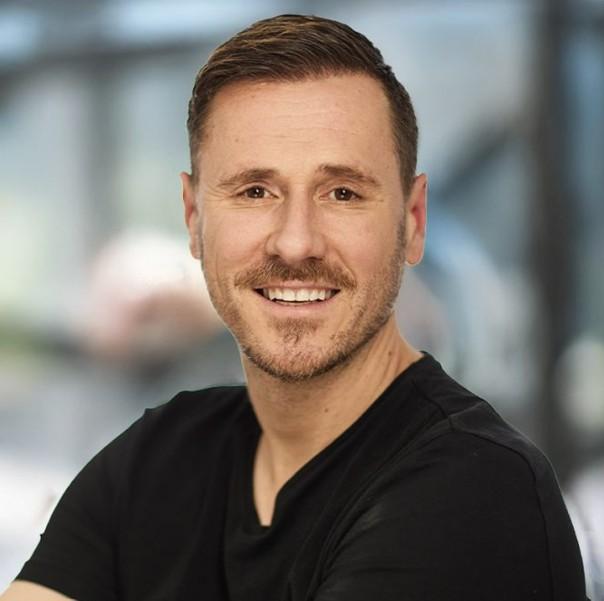
“The main disadvantage to me is the disservice we do ourselves,” he said. “The psychology of being taught that you’re lesser affects your confidence in the boardroom. We need to focus on and empower ourselves within the community.”
Jason agreed, reflecting on the importance of overcoming the fear that can accompany being visibly different in professional environments.
“Be brave,” he said. “There’s a lot of fear we often have. What I’ve learned through the lives I’ve lived is that when we open up and are brave, it’s infectious. People come along for the ride. It took me a long time to unpick that rhetoric in my brain. The world is big and wide and accepting for the most part.”
Their reflections highlight how confidence, visibility and self-belief can not only bolster our own success, but also create opportunities for others.
Building coalitions for change
While the discussion focused on LGBTQ+ experiences, the panellists also reflected on lessons learned from building inclusivity that can help address inequalities more broadly across healthcare and research.
“These ideas extend into disability” said Shereen, “for example physical disability and breast cancer screening. Wheelchair users struggle with mammography machines because they don't go that low. Breast cancer is the number one cancer in the country, yet there is an accessibility barrier there.”
Jason added that neurodiversity is often not considered during cancer treatment or clinical trials: “We tend to design for a neurotypical world. Those who fall on the wayside can fail to comply. We need to think of them and ensure they have options that work.”
This emphasises the importance of building connections across different communities and creating spaces where people can come together.
“We need to build alliances – that’s the real resistance,” said Alison. “At my workplace we have a bring-and-share lunch where colleagues come together to talk about food and culture. I find it’s those genuine celebrations, where you can break barriers down and have a laugh, that really make lasting change.”
Across the discussion, a common theme emerged: meaningful change often starts with simple acts of authenticity and inclusion. By lifting others up and building alliances across communities, we can create a cancer ecosystem that is more effective and more accessible for diverse patients and professionals alike.