
The new team is focused on accelerating therapeutic translation, but you are not the only translational function within Cancer Research Horizons – what does the new Therapeutic Translation Team offer to Researchers?
The gap between laboratory discovery and medicines that reach patients remains a global challenge. Scientists deliver world-class biology – Cancer Research Horizon’s role is to help more promising science progress towards patient impact, through a range of complementary translational and commercialisation functions.
We go to where the science is. So, if you believe your science could reach patients, we’d like to talk to you.
The Therapeutic Translation Team provides specialist drug discovery input where science would benefit from early shaping, connecting researchers directly to Cancer Research Horizon's in-house drug discovery team. Through dedicated funding routes like the Therapeutic Catalyst Award or a Therapeutic Discovery Partnership, and hands-on scientific expertise, we help move exciting biology into a drug discovery programme. We go to where the science is. So, if you believe your science could reach patients, we'd like to talk to you.
Translation from early research is notoriously difficult. What are the biggest barriers?
Three stand out. First, the absence of early engagement. By the time most researchers consider reaching out to drug discovery teams, years have passed and the translational opportunity has already narrowed.
Second, the valley of death. The funding gap between academic proof-of-concept and the point where industry takes serious interest – exactly the space the Therapeutic Catalyst Award and our Therapeutic Discovery Partnerships exist to address.
Third, and most underappreciated: helpful feedback. Researchers often don't know why their target didn't progress, or what it would take to change that. Part of our role is having that conversation openly.
You mention grants and partnerships as ways to collaborate and fund drug discovery. Can you describe the funding options available to researchers wanting to work with your team?
We have just updated the Therapeutic Catalyst Award, a Cancer Research UK grant, which now offers two specific funding opportunities depending on the stage of your science.
The Target Award (up to £250k over 12–18 months) supports cancer target identification or validation, including projects incorporating our Functional Genomics Centre. The Early Therapy Award (up to £350k over 18–24 months) covers hit identification, druggability assessment, or early therapeutic project development.
These awards aim to ultimately discover small molecule or antibody approaches for the treatment of adult cancers, but we also offer a Childhood Cancer Therapeutic Catalyst award specifically for researchers focused on treatments for children and young people, which encompasses all therapeutic modalities.
In addition, we offer a Therapeutic Discovery Partnership which is a multi-year collaboration funded directly by Cancer Research Horizon’s drug discovery organisation. We co-develop a therapeutic approach, contributing expertise, funding, and provide access to our drug discovery infrastructure, with investment building as milestones are met.
If you are unsure which route fits your science, that is exactly the conversation to have with us first.
What does engagement with your team look like?
Early conversations are encouraged. You don't need a lead compound or prior drug discovery experience – though if you have any of these, that's a real advantage. What you need is a novel biological hypothesis and the willingness to discuss it openly. The first step is simply a conversation. We listen, ask questions, and give a clear scientific assessment. We prioritise opportunities with a plausible biological rationale, evidence of druggability, translational relevance, and a credible de-risking workplan.
The first step is simply a conversation. We listen, ask questions, and give a clear scientific assessment.
Researchers bring what they do best – deep biological insight, unique disease models, genuine scientific conviction. We bring the drug discovery expertise to figure out what to do with it next.
If your opportunity isn't right for us and there is an alternative route within Cancer Research Horizons that might support it, we will also ensure it is directed there.
At what stage should researchers engage?
Earlier than you think. The instinct is to wait and gather more data, to publish, to feel certain. But that can be counterproductive. The earlier we are involved, the more useful we can be – helping shape experiments, identifying critical questions, and flagging problems while they're still addressable.
A genetic or functional observation linking a target to cancer biology is enough to start. Even an early idea about a new disease mechanism can open a conversation, particularly where there is a clear rationale for how it could be explored or de-risked. It's never too early if you have a hypothesis worth testing.
What would success look like in five to ten years?
In five years, the Therapeutic Translation Team will be a valued part of Cancer Research Horizon's broader translational ecosystem – a go-to resource for researchers whose science would benefit from early scientific shaping and direct access to drug discovery expertise. That means a track record of effective collaboration, identifying and advancing the opportunities with the greatest potential, and delivering tangible outcomes alongside our colleagues across Cancer Research Horizon's wider translational offer. In ten years, some of the targets we are nurturing today will be in clinical development and a few will have reached patients. That is the goal. We also know that most won't make it, and we make no apology for that. Failing fast, learning fast, and redirecting resource accordingly is not failure, it is how good drug discovery works.
About Gillian Farnie
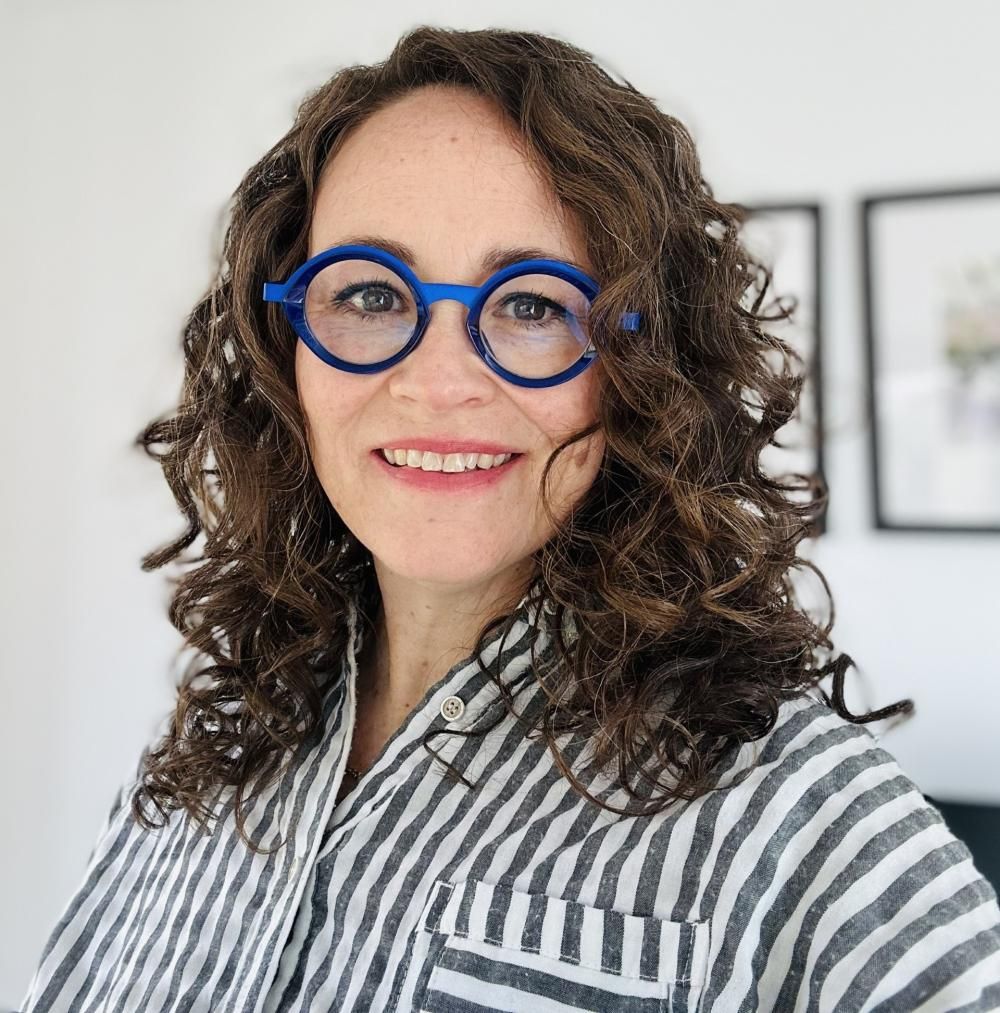
Gillian Farnie is Senior Principal Scientist for the Therapeutic Translation team of Therapeutic Innovation, Cancer Research Horizons.
Explore how Cancer Research Horizons can help with your drug discovery journey:
https://www.cancerresearchhorizons.com/our-translational-science/drug-discovery
Get in touch with the Therapeutic Translation Team here