

Drug discovery and development
We identify, develop and commercialise promising ideas into successful cancer therapeutics, diagnostics and enabling technologies.
Fresh from being awarded one of the inaugural early-stage therapeutic programmes from C-Further – the consortium creating new therapeutics for childhood cancers – we caught up with Marco Purbhoo from MiNK Therapeutics to talk biotech’s role in paediatric oncology, promising targets and what can be done to attract private sector investment in the area…
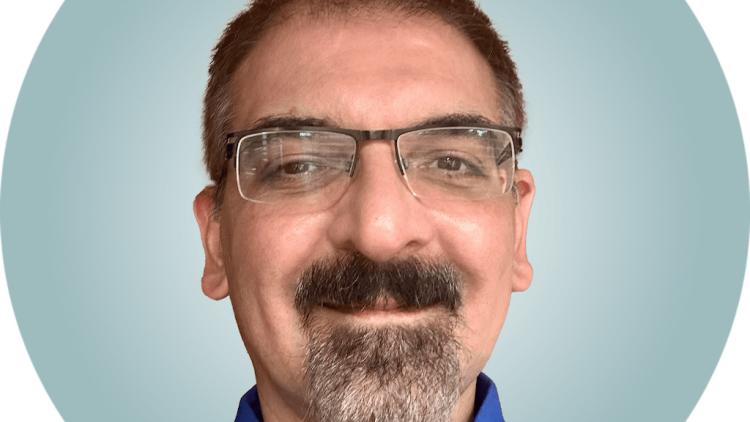
Joining the C-Further initiative is a really timely step for MiNK. It’ll enable us to accelerate the development of our Invariant natural killer T cell (iNKT) platform within a highly collaborative, multi-institutional framework.
The initiative brings together expertise across academia and industry, allowing us to move efficiently from promising biology to development of disease-relevant models and defined clinical candidate.
The timing is particularly important. There is increasing recognition that paediatric cancers require purpose-built therapeutic strategies rather than adaptations of adult-focused approaches. At the same time, the iNKT platform has reached a level of maturity where its clinical and biological potential can be more fully realised.
Critically, this urgency is increasingly matched by regulatory and policy support. Programmes such as rare paediatric disease incentives and expedited regulatory pathways are creating a better environment to advance innovative therapies for children.
C-Further provides both the infrastructure, funding and academic collaboration needed to translate promising biology into clinical programmes for children with cancer with greater speed and confidence.
The initiative brings together expertise across academia and industry, allowing us to move efficiently from promising biology to development of disease-relevant models and defined clinical candidate.
The PRAME iNKT programme represents the convergence of two highly compelling areas of biology. PRAME is a well-validated antigen, with clear relevance across a range of high-risk paediatric malignancies, and particularly well suited to targeting through engineered T-cell receptor technology.
Our iNKT cells, in turn, combine direct cytotoxicity with the ability to orchestrate broader immune responses. This dual functionality extends beyond targeted tumour killing to drive a more comprehensive immunological impact. iNKT cells bring the capacity for tumour homing, persistence, and modulation of the tumour microenvironment – features that may prove especially important in diseases where immune evasion is a central challenge.
Equally important is the allogeneic, off-the-shelf nature of the platform. The ability to deliver therapy without the delays, variability, and logistical complexity of autologous manufacturing directly addresses a critical limitation in paediatric care, where time to treatment is often decisive. When combined with the favourable safety profile observed to date, including the absence of graft-versus-host disease and the potential to avoid lymphodepletion, this begins to define a modality that is not only biologically differentiated, but also practical and scalable for children.
Despite the clear unmet need, the challenges associated with sustained investment in paediatric oncology remain substantial. The first challenge is scientific and clinical, childhood cancers are rare, biologically diverse, and often fundamentally distinct from adult tumours, meaning development cannot simply follow an adult oncology blueprint.
Clinical development is also inherently more complex. Trials are conducted through highly specialised paediatric centres, patient numbers are limited, and often it’s difficult to enrol sufficient patients quickly or run conventional randomised studies. For newer modalities, these challenges are compounded by the need for age-appropriate dosing, careful safety considerations, and early regulatory alignment in very small populations.
Together, these factors increase development time, complexity, and overall risk. More fundamentally, paediatric oncology requires a level of coordination, infrastructure, and sustained commitment that is difficult for any single organisation to carry alone. This is why collaborative models and mission-aligned support are so important, enabling the field to advance promising science in a way that is both rigorous and ultimately deliverable for children.
Paediatric oncology requires a level of coordination, infrastructure, and sustained commitment that is difficult for any single organisation to carry alone
C-Further provides a meaningful mechanism to address some of these early-stage risks. By combining targeted funding with access to academic expertise and translational infrastructure, it allows programmes to reach a level of maturity that would otherwise be difficult to achieve within a single organisation.
This is particularly valuable in enabling robust candidate selection and validation before entering the more resource-intensive phases of development. Equally important is the collaborative framework it creates, bringing together industry, academia, and non-profit organisations around a shared objective.
Looking more broadly, continued progress will likely depend on a combination of incentives and coordination. Clearer regulatory pathways, sustained investment in translational research, and mechanisms that encourage genuine collaboration across academia, industry, and non-profit organisations will all be important. Maintaining momentum in paediatric oncology will require this kind of aligned, ecosystem-level approach.
Dr Marco Purbhoo is Head of Translational Medicine at MiNK Therapeutics
C-Further is an international consortium aiming to bring together drug discovery and development researchers, clinicians, partners and impact investors with a shared commitment to creating new therapeutics for childhood cancers.
C‑Further welcomes expressions of interest from researchers, innovators and partners who share its mission to accelerate new tailored and well-tolerated treatments for children and young people with cancer.
The deadline to be considered for the next round of submissions is 4 September 2026.
MiNK Therapeutics is a clinical-stage biopharmaceutical company pioneering allogeneic invariant natural killer T (iNKT) cell therapies and precision-targeted immune technologies. MiNK’s proprietary platform is designed to restore immune balance and drive cytotoxic responses across cancer, immune-mediated diseases, and pulmonary immune failure. MiNK’s lead candidate, agenT-797, is an off-the-shelf iNKT cell therapy currently in clinical development for GvHD, solid tumors, and severe pulmonary inflammation. With a scalable cryopreserved manufacturing process and differentiated biology bridging innate and adaptive immunity, MiNK is committed to developing next-generation immune reconstitution therapies. For more information, visit www.minktherapeutics.com or follow on X @MiNK_iNKT.
We identify, develop and commercialise promising ideas into successful cancer therapeutics, diagnostics and enabling technologies.
Work with us to identify and advance novel approaches with the potential to deliver the next generation of cancer medicines.
Cancer Research Horizons partners across the fields of academia, industry, drug discovery and investors.

